How to Locate Car Parts: A Complete Resource for Excellence and Economical Value
Determining the right car parts can be a tough task. It calls for managing quality with budget-friendliness. Various options are available, from local auto parts stores to online retailers and salvage yards. Each selection brings its own set of advantages and limitations. Understanding these differences is important. As one traverses this landscape, certain key considerations will surface, influencing the decision-making process. The next steps will clarify how to make educated choices.
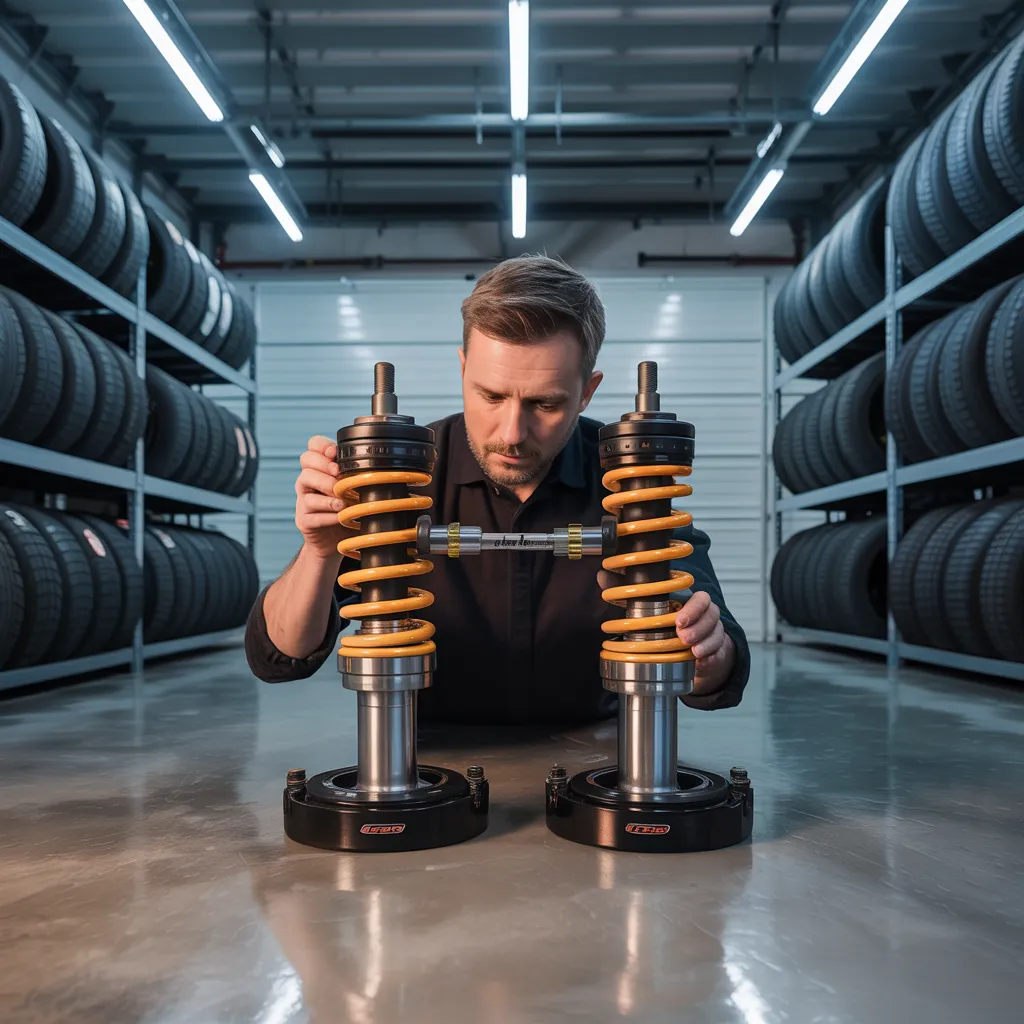
How to Determine Your Vehicle's Part Needs
How can a car proprietor accurately determine their car's part needs? First, it is essential to reference the owner's manual, which offers specific information regarding part numbers and requirements. In addition, vehicle identification numbers (VIN) can be used to identify exact parts required for a particular make and model. Online databases and automotive communities provide insights into common problems and recommended replacements, assisting in the identification process.
One effective method is conducting a observational inspection of the vehicle. Identifying defective or damaged parts can assist in determining necessary replacements. Furthermore, consulting a trusted mechanic for a precise evaluation can confirm part needs, especially when dealing with more complex issues. By combining these methods—manual reference, VIN analysis, online resources, visual inspection, and professional consultation—vehicle owners can accurately identify the parts required for their vehicles, ensuring effective performance and safety.
Local Auto Parts Stores: Advantages and Drawbacks
Nearby auto parts stores present a hassle-free option for vehicle owners seeking immediate access to parts. These stores commonly have experienced employees who can support with selecting the right components, sharing valuable advice on installation and compatibility. Moreover, local stores regularly feature a diversity of brands, allowing customers to choose based on performance and budget.
However, there are drawbacks to examine. Costs at local auto parts stores may be higher versus online retailers, limiting affordability for some consumers. Additionally, stock can differ considerably, which might lead to a limited variety for specific or less common parts. Also, store hours can be restrictive, making it challenging for those with busy schedules to shop.
Ultimately, local auto parts stores introduce a range of advantages and disadvantages, making it necessary for drivers to review their selections based on pressing requirements and ongoing financial planning.
Leading Web-based Dealers for Auto Parts
For those who prefer the convenience of purchasing online, online vendors for car parts present a attractive alternative to local auto parts stores. Well-known websites like AutoZone, RockAuto, and Advance Auto Parts provide large selections including everyday components to specialized items. These retailers often feature intuitive designs that allow customers to search by vehicle make and model, guaranteeing compatibility with their specific needs.
In addition, Amazon and eBay have developed into important players in the car parts market, providing an impressive collection of choices, often at competitive prices. Multiple online retailers also present reviews from customers, which can enhance shopping confidence. Also, the ability to compare prices across different sites allows consumers to uncover the best bargains. Alongside the benefit of home delivery, shopping for car parts on the internet has grown more attractive for consumers pursuing both quality and affordability.
The Benefit of Exploring Salvage Yards
While many car owners may overlook salvage yards as a viable option for sourcing parts, these facilities often provide valuable advantages that can lead to substantial savings. Salvage yards typically offer a wide range of used parts at a reduced portion of the cost of new components, making them an appealing alternative for value-oriented individuals. Customers can find everything from engines and transmissions to body panels and interior components, often in good condition.
Also, purchasing from salvage yards advances environmental sustainability by promoting reuse and reducing waste. Many yards also allow customers to examine parts firsthand, ensuring compatibility and quality before making a purchase. Knowledgeable staff can support in identifying the right components, additionally enhancing the customer experience. For those ready to invest a bit of time in hunting, salvage yards can discover valuable treasures, making them a worthwhile consideration for anyone seeking car parts.
Aftermarket versus OEM Car Parts: Key Differences
Comparing OEM and aftermarket car parts reveals numerous important distinctions. Performance and quality can vary greatly, influencing the dependability of repair work. In addition, cost considerations and warranty offerings are crucial factors in a buyer's decision-making process.
Quality and Efficiency Elements
Selecting between aftermarket and OEM car parts requires an understanding of their distinct qualities and performance capabilities. OEM parts are manufactured by the original vehicle manufacturer, ensuring precise fit and adherence to factory specifications. These components often provide reliability and longevity, as they undergo rigorous testing. Conversely, aftermarket parts are produced by third-party companies and can differ widely in quality. While some aftermarket options may match or exceed OEM standards, others might compromise on performance or durability to reduce costs. Buyers should consider factors such as warranty, compatibility, and material quality when evaluating either type. Ultimately, the right choice copyrights on individual needs, vehicle requirements, and performance expectations.
Monetary Considerations and Affordability
Knowing the price act now differences between aftermarket and OEM vehicle parts is essential for smart purchasing. OEM parts, supplied by the original manufacturer, often come at a greater price because of their guaranteed compatibility and strict compliance with factory standards. Meanwhile, aftermarket parts, developed by independent producers, typically offer more attractive pricing, making them appealing to those mindful of budget. However, the condition of these options can vary widely, which may influence long-term value. Although initial costs are key aspects, buyers should also take into consideration potential long-term expenses related to vehicle longevity and dependability. In conclusion, balancing initial expenditure against expected maintenance is vital for maintaining a reliable yet affordable vehicle.
Warranty and Professional Help Offerings
A warranty and support offering plays an essential part in the decision-making process for acquiring car parts. When considering OEM (Original Equipment Manufacturer) components, buyers often enjoy extensive warranties, reflecting the manufacturer's trust in their product quality. These warranties generally include imperfections and ensure dependable operation, building trust among customers.
In contrast, secondary components may offer varied warranty terms. Some independent suppliers present favorable protections, while others may be lacking adequate safeguards, creating potential risks for the client. Customer care can also be quite varied; OEM parts usually feature verified support channels, whereas third-party alternatives might furnish constrained support. Ultimately, recognizing these differences helps consumers select with insight based on their priorities for quality, reliability, and peace of mind.
Assessing Car Parts: Quality Indicators and Price Comparison
When assessing car parts, it is crucial to identify quality markers that demonstrate reliability and durability. Additionally, comparing price options across various suppliers can uncover significant differences that affect overall value. Understanding warranty terms further assists consumers in making well-considered choices about their purchases.
Identifying Premium Markers
Evaluating vehicle parts requires a keen approach to quality indicators that can profoundly impact car operation and longevity. First, authenticity is paramount; real parts often carry manufacturer labels and warranties. In addition, material composition play an important role; high-quality components are typically built from heavy-duty metals or next-generation polymers, offering stronger defense to wear and tear. Additionally, inspecting build quality can bring to light manufacturing standards; accurate dimensions and refined edges often indicate premium craftsmanship. Certifications from prestigious groups can also serve as a proven quality indicator. Finally, customer reviews and expert recommendations supply pertinent information into the expected durability and trustworthiness of targeted parts. By identifying these markers, buyers can arrive at reasoned choices that contribute to their automobile's peak performance.
Examining Price Possibilities
While evaluating car parts, assessing price options is necessary for ensuring both quality and budget alignment. Price variations can indicate differences in quality, so consumers should consult multiple sources, including online retailers, local auto parts stores, and dealerships. It is important to take into account not just the price tag but also the part’s reputation for reliability and performance. Using tools such as price comparison websites can accelerate this process, supporting buyers to easily identify the best deals. Additionally, examining customer reviews and ratings helps determine product satisfaction. Ultimately, a well-rounded approach to price comparison, factoring in quality indicators alongside cost, will lead to informed purchasing decisions that balance affordability with durability.
Grasping Guarantee Conditions
Grasping coverage details is a significant aspect of purchasing car parts that often remains overlooked. A warranty confirms the manufacturer's confidence in the product's quality and durability. Usually, warranties vary in length and coverage, encompassing defects in materials and workmanship. Buyers should recognize the distinction between limited and full warranties; the former may apply restrictions or exclude certain damages. Furthermore, it's important to assess the warranty's ability to transfer, most notably for used parts. A thorough warranty can indicate higher quality, providing assurance to the buyer. When assessing prices, a longer or more thorough warranty can legitimize a higher cost, as it may reduce expenses on potential future maintenance. At the core, understanding these terms facilitates informed purchasing decisions for car parts.
Exploring the domain of car parts shopping necessitates a strategic approach, whether web-based or offline. Shoppers should begin by identifying the specific parts they need, confirming compatibility with their automobile. Online shoppers can benefit from contrasting prices across multiple websites, utilizing user reviews to gauge quality and trustworthiness. It's vital to examine return policies to avoid potential complications.
For brick-and-mortar shopping, visiting local auto parts stores permits customers to look over items and seek expert advice. Building relationships with knowledgeable staff can lead to personalized recommendations. Moreover, consumers should consider timing; sales events or holiday promotions often yield significant savings.
Both online and offline shoppers should also remain watchful about copyright products, prioritizing reputable retailers. Finally, a comprehensive understanding of warranty terms can provide further assurance of quality and longevity, ensuring that customers choose wisely in their car parts purchases.
Common Questions Asked Frequently
What Ways Can I Use to Know if a Part Is Compatible With My Vehicle?
To confirm part suitability, individuals should check the vehicle's make, model, and year, review the owner's manual, and access online databases or part retailers that offer compatibility filters for exact matching.
What Protection Plans Are Usually Included on Automobile Parts?
Commonly, warranties on car parts extend from 30 days to lifetime coverage, determined by the manufacturer and part type. These warranties often protect defects but may rule out damage from improper installation or misuse.
Is it Possible to Return Car Parts That Aren't the Right Size?
Yes, the majority of retailers allow refunds of car parts that don't fit, as long as they remain unused and in original packaging. It's crucial for buyers to check specific return policies before making a purchase to avoid complications.
Is it possible to locate seasonal markdowns for car parts?
Seasonal sales for car parts often take place during holidays, end-of-year clearance events, and major shopping days. Retailers typically offer discounts, making it an perfect time for consumers to buy parts at reduced prices.
What's the Best Way to Discover Local Professionals for Installation?
To identify local technicians for installation, one can leverage online directories, review platforms, and social media recommendations. Additionally, seeking acquaintances for recommendations often provides reliable neighborhood choices for car maintenance.